Get notified when we publish new data-driven Catholic content.
Around 2022-2024 I slowed down on consulting jobs and started contemplating stepping away from tech. You know how people grind in startups. Some trade risk for stability. Some start thinking about early retirement, something completely different, or "career breaks" (there's even a LinkedIn feature for this now).
Things were rough. I tried art therapy at Wings to Fly Art Therapy Studio (Erin Partridge PhD ATR-BC was wonderful) because traditional therapy hadn't been working and I knew drawing was something I loved growing up. I loved the confidence I gained from art classes as a kid and wanted some of that back.
One thing led to another. I got more technical with the art itself and started thinking maybe I could "make something happen." Concretely I didn't know what, but I figured a hit manga of sorts - that I could use my startup background to carve out space on a bookshelf. This was before I learned about the social media grind and the communities of artists out there really just doing it for the passion and craft.
In the end I half-drew a comic, then stopped. After converting to Catholicism the intention didn't feel right anymore. I also realized I wasn't built for the draftmanship grind. I underestimated how much day-to-day work it would take.
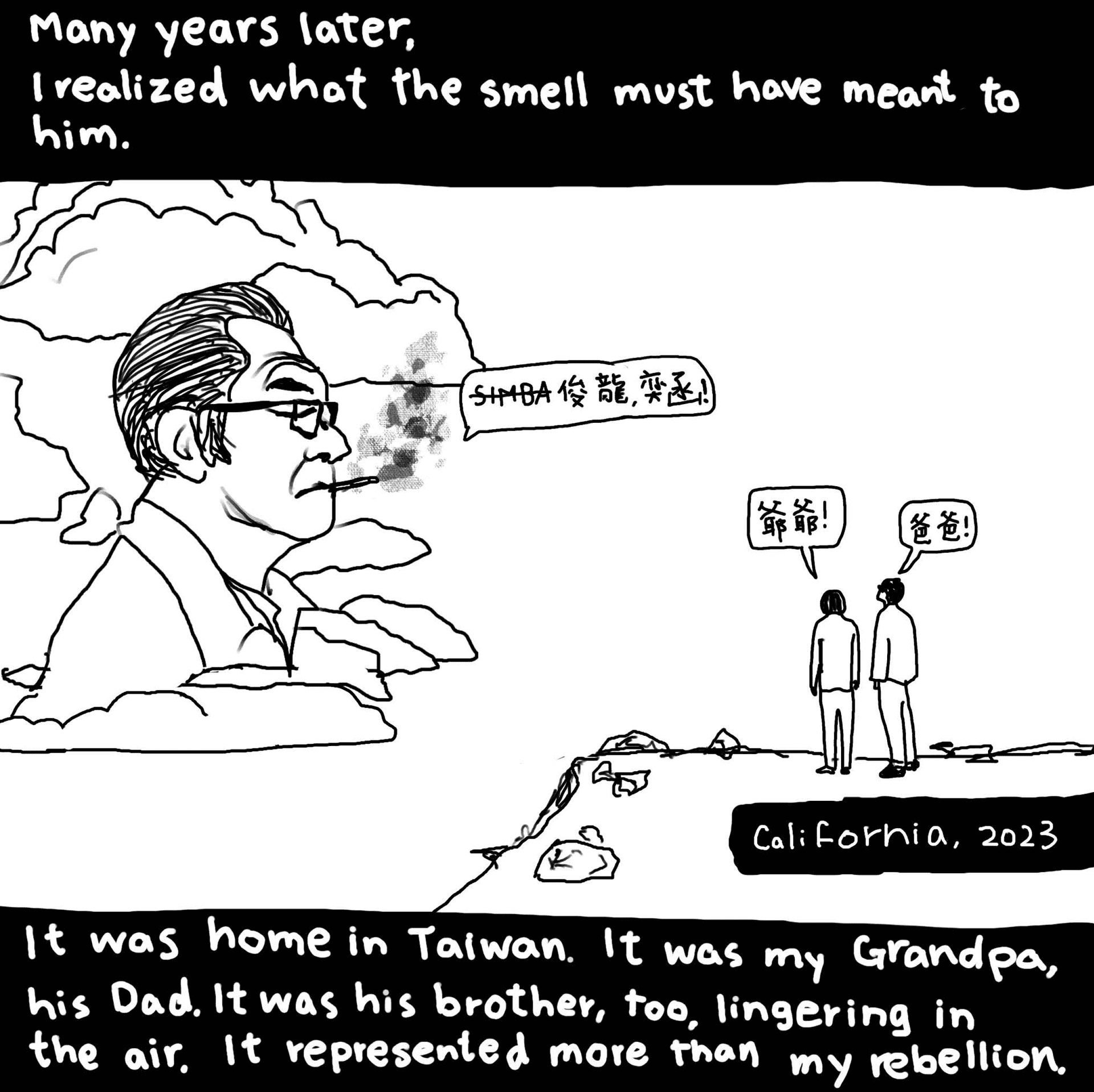
From the memoir comic, 2023. I'd discovered "diary comics" as an artform.
So I walked away. Tried something else. I enrolled in a master's program in art and technology through an art school at a public university. When I was a kid in Taiwan there was a magnet "gifted" art middle school I got rejected from. That always had a hold on me. So imagine my excitement when I got into an art school at the grad level. I felt like a real artist.
One term in, I withdrew. I started getting suspicious of these for-profit programs and wasn't sure where it was headed. Going to school doesn't equal a career pivot. The quality was questionable, especially remote.
But one thing stood out.
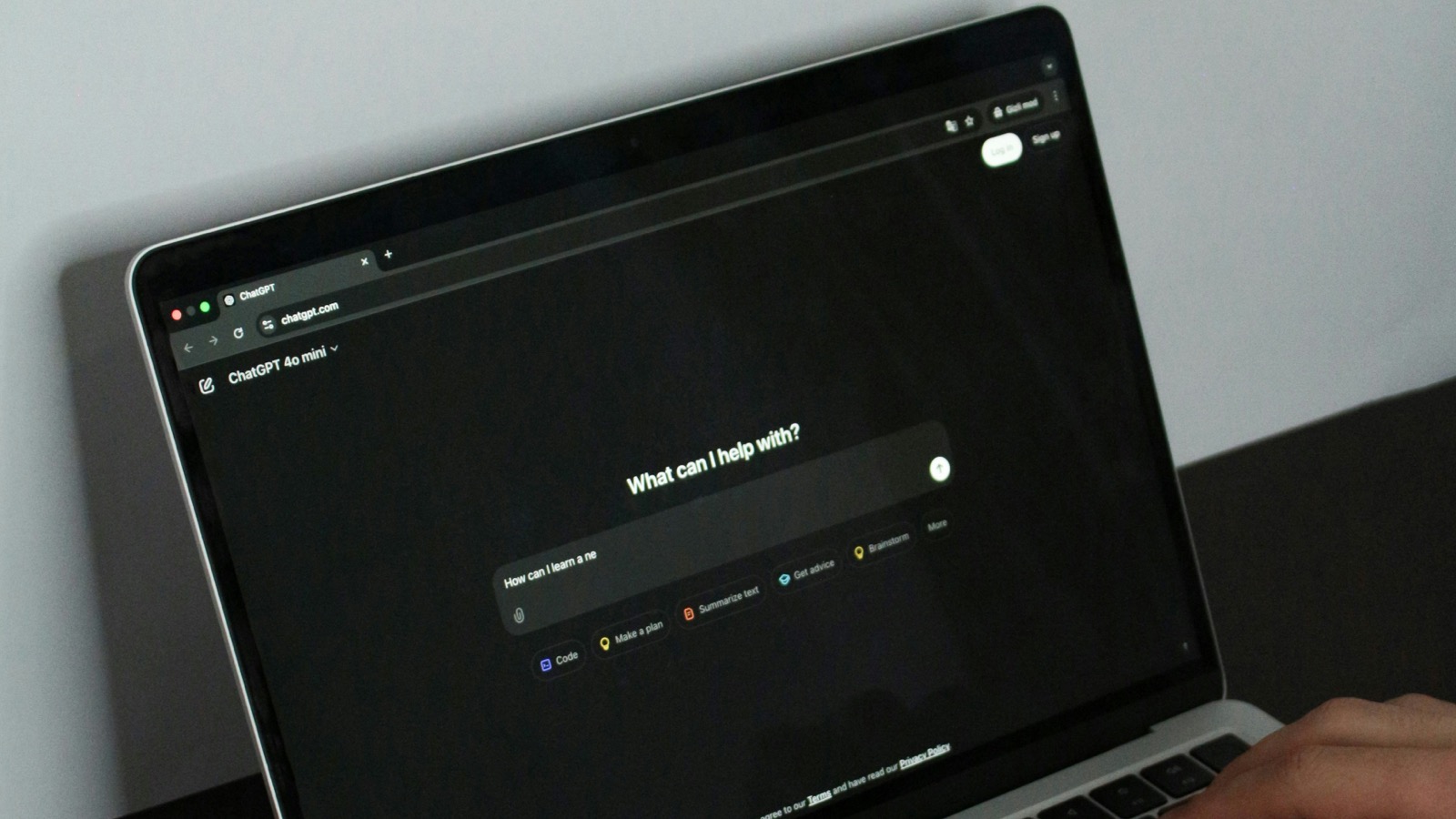
This was when ChatGPT was getting popularized. AI had been around and everywhere. I'd been downplaying my Mom's nudges to buy AI stocks for a while. For a couple years I used it to draft, summarize, polish my writings. Submitted a script for family videos. But I was jaded. The hype cycles from the startup days - web3, metaverse, crypto - made me skeptical of real use cases. Yeah, it's neat. But other than a fancier search or summarizer? Marginal improvement over Siri or Google. I wasn't in tech (in an everyday-coding-kind-of-way) at this point so I couldn't see practical applications.
I tried AI art too. But let's be real, a few years later, it's still not quite there. The artists resist it (there's a cultural war going on, still), and while studios use it for early concept work, the end-to-end products just aren't there yet.
Here's what came out of art school though.
There was this professor literally making his syllabus and assignments out of ChatGPT for the whole semester. At first I rolled my eyes. Secretly disappointed in the program. I didn't like him. I didn't like that classmates didn't say a word - just passively-aggressively knowing they were locked in and couldn't get out. (I won't name names but this makes me appreciate the professors I had in undergrad.)
In hindsight it's not that AI couldn't help. It's the lack of care that goes into it. This actually resonates with my approach later on.
But what was interesting: he asked us to use ChatGPT not just to answer questions, but to generate code in Unity. What I saw in real time was a class of part-time students - teachers, young ones with animation dreams, career-changers like me - becoming semi-software engineers. They were debugging in Unity. They didn't understand code, but through the semester they started learning more and more by interacting with ChatGPT and custom GPTs.
The professor got more brazen. Started doing "fun" things on his own. Custom plugins. Things that would have been challenging a few years back for someone not really in the industry.
I was impressed. Surprised. Then I realized how far behind I was in understanding the use cases in which LLMs are strong. It was only through this class that I got the exposure: from the material, from the students, and definitely the professor.
So no, "art and technology" didn't happen. But now I'm onto something.
What I started seeing wasn't the Siri stuff. It was the weird, specific use cases. People using LLMs to process messy tax documents. ChatGPT layering on memory that actually kept context. Companion tools for therapy and journaling.
There were layers here I hadn't seen before.
The Professor Who Used ChatGPT for Everything | Catholic Index