
Next · Wednesday, July 22
Next Mass
Today's Readings8:00AM
Low Mass
Wednesday, July 22
Wednesday, July 22
Why does another Mass times site exist? Read my story →
What Constitutes Meat?
As the season of Lent arrives each year with its mandatory Friday absƟnence, priests are oŌen asked some variaƟon of the following quesƟon: What counts as meat? SomeƟmes the queries are specific: Can I eat bone broth on a Friday? Lobster? What about raƩlesnake? What exactly is and is not permiƩed when it comes to the weekly Friday absƟnence from meat?
These are all valid quesƟons. To answer them, the United States Conference of Catholic Bishops (USCCB) has published explanatory guidelines that enable every Catholic to determine for himself whether any parƟcular type of food is allowed or forbidden. Rather than aƩempƟng to paraphrase, it is perhaps beƩer to quote the guidelines in full:
"AbsƟnence laws consider that meat comes only from animals such as chickens, cows, sheep or pigs — all of which live on land. Birds are also considered meat. AbsƟnence does not include meat juices and liquid foods made from meat. Thus, such foods as chicken broth, consomme, soups cooked or flavored with meat, meat gravies or sauces, as well as seasonings or condiments made from animal fat are technically not forbidden. However, moral theologians have tradiƟonally taught that we should abstain from all animalderived products (except foods such as gelaƟn, buƩer, cheese and eggs, which do not have any meat taste). Fish are a different category of animal. Salt and freshwater species of fish, amphibians, repƟles (cold-blooded animals), and shellfish are permiƩed."
So, there we have it: the official interpretaƟon of the absƟnence laws from the bishops themselves. It could be summarized this way: any solid porƟon of a warm-blooded land animal or bird is considered meat and is therefore forbidden on Fridays in Lent. This generally includes any type of flesh or organ meat. Conversely, just about anything ordinarily harvested from the water is permiƩed.
As a final word, however, we may add an important observaƟon: just because a parƟcular food may not be meat doesn't necessarily mean it is meet. In other words, it is quite possible that certain types of food could technically be permiƩed by the leƩer of the law and yet not be in accord with its spirit. Since the whole purpose of the law is penance, while one technically would not be breaking the law by enjoying delicacies such as lobster tail or caviar on a Friday in Lent, he likely would not be doing very much penance. ¿Qué se considera carne?
Cada año que llega el Ɵempo de Cuaresma con su obligatoria absƟnencia de carne los viernes, los sacerdotes suelen recibir alguna variación de la siguiente pregunta: ¿qué se considera carne? A veces las consultas son muy específicas: ¿se puede tomar caldo derivado de huesos un viernes? ¿Langosta? ¿Y la carne de víbora de cascabel? ¿Qué está exactamente permiƟdo y qué no en relación con la absƟnencia semanal de carne los viernes?
Todas estas son preguntas válidas. Para responderlas, la Conferencia de Obispos Católicos de los Estados Unidos ha publicado una guía explicaƟva que permite a cada católico determinar por sí mismo si un alimento está permiƟdo o prohibido. En lugar de intentar parafrasear la guía, quizá sea mejor citarla íntegramente:
"Las leyes de absƟnencia consideran que la carne proviene únicamente de animales como gallinas, vacas, ovejas o cerdos —todos los cuales viven en Ɵerra. Las aves también se consideran carne. La absƟnencia no incluye los jugos de carne ni los alimentos líquidos hechos a base de carne. Por lo tanto, alimentos como el caldo de pollo, el consomé, las sopas cocidas o condimentadas con carne, las salsas o jugos de carne, así como los condimentos o sazonadores hechos con grasa animal, técnicamente no están prohibidos. Sin embargo, los teólogos morales han enseñado tradicionalmente que debemos abstenernos de todos los productos derivados de animales (excepto alimentos como la gelaƟna, la mantequilla, el queso y los huevos, que no Ɵenen sabor a carne). Los peces consƟtuyen una categoría disƟnta de animales. Las especies de peces de agua salada y dulce, los anfibios, los repƟles (animales de sangre fría) y los mariscos están permiƟdos."
Así pues, aquí tenemos la interpretación oficial de las leyes de absƟnencia por parte de los mismos obispos. Puede resumirse de este modo: cualquier porción sólida de un animal terrestre de sangre caliente o de un ave se considera carne y, por tanto, está prohibida los viernes de Cuaresma. Esto incluye, por lo general, cualquier Ɵpo de carne o vísceras. Por el contrario, casi todo lo que se obƟene habitualmente del agua está permiƟdo.
Como observación final, conviene añadir algo importante: el hecho de que un alimento no sea carne no significa necesariamente que sea apropiado para la absƟnencia. En otras palabras, es posible que ciertos alimentos estén técnicamente permiƟdos por la letra de la ley y, sin embargo, no están de acuerdo con su espíritu. Puesto que el propósito de la ley es la penitencia, aunque uno no estaría rompiendo la ley al disfrutar de manjares como la langosta o el caviar un viernes de Cuaresma, probablemente no estaría realizando mucha penitencia.
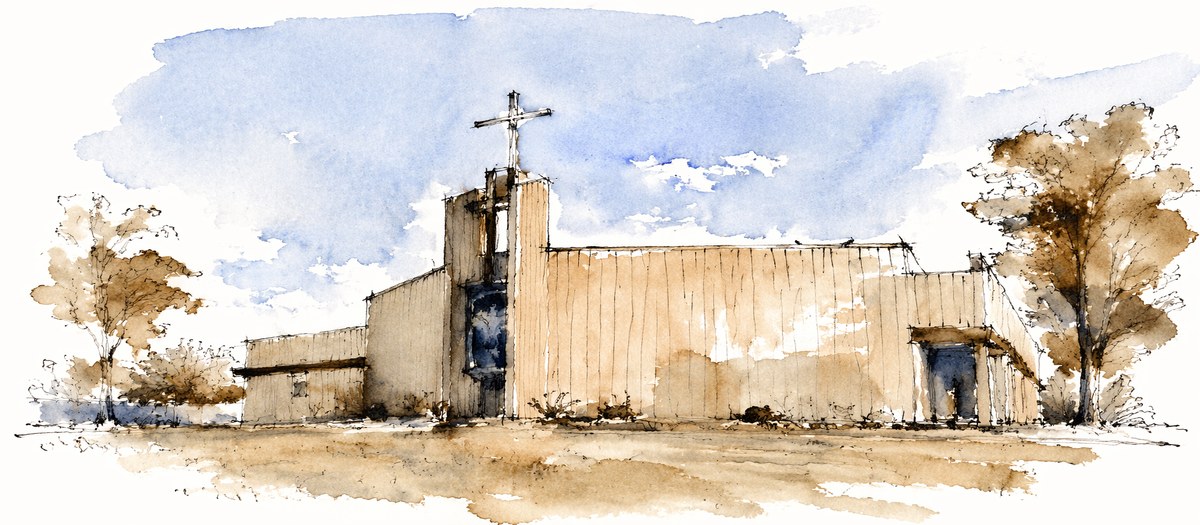
The church offers a beautiful Traditional Latin Mass, allowing for an experience of faith as it was in the 1500s, complete with Gregorian chant.
Catholic Index is not affiliated with St. Edward the Confessor (Fraternity of St. Peter). Information is sourced from the parish website and public bulletins and may contain errors. Report a correction →
Read sacred intentions from travelers and locals, then join the virtual candle wall to add your own prayer.
0 candles burning now at Catholic Index
What Constitutes Meat?
As the season of Lent arrives each year with its mandatory Friday absƟnence, priests are oŌen asked some variaƟon of the following quesƟon: What counts as meat? SomeƟmes the queries are specific: Can I eat bone broth on a Friday? Lobster? What about raƩlesnake? What exactly is and is not permiƩed when it comes to the weekly Friday absƟnence from meat?
These are all valid quesƟons. To answer them, the United States Conference of Catholic Bishops (USCCB) has published explanatory guidelines that enable every Catholic to determine for himself whether any parƟcular type of food is allowed or forbidden. Rather than aƩempƟng to paraphrase, it is perhaps beƩer to quote the guidelines in full:
"AbsƟnence laws consider that meat comes only from animals such as chickens, cows, sheep or pigs — all of which live on land. Birds are also considered meat. AbsƟnence does not include meat juices and liquid foods made from meat. Thus, such foods as chicken broth, consomme, soups cooked or flavored with meat, meat gravies or sauces, as well as seasonings or condiments made from animal fat are technically not forbidden. However, moral theologians have tradiƟonally taught that we should abstain from all animalderived products (except foods such as gelaƟn, buƩer, cheese and eggs, which do not have any meat taste). Fish are a different category of animal. Salt and freshwater species of fish, amphibians, repƟles (cold-blooded animals), and shellfish are permiƩed."
So, there we have it: the official interpretaƟon of the absƟnence laws from the bishops themselves. It could be summarized this way: any solid porƟon of a warm-blooded land animal or bird is considered meat and is therefore forbidden on Fridays in Lent. This generally includes any type of flesh or organ meat. Conversely, just about anything ordinarily harvested from the water is permiƩed.
As a final word, however, we may add an important observaƟon: just because a parƟcular food may not be meat doesn't necessarily mean it is meet. In other words, it is quite possible that certain types of food could technically be permiƩed by the leƩer of the law and yet not be in accord with its spirit. Since the whole purpose of the law is penance, while one technically would not be breaking the law by enjoying delicacies such as lobster tail or caviar on a Friday in Lent, he likely would not be doing very much penance. ¿Qué se considera carne?
Cada año que llega el Ɵempo de Cuaresma con su obligatoria absƟnencia de carne los viernes, los sacerdotes suelen recibir alguna variación de la siguiente pregunta: ¿qué se considera carne? A veces las consultas son muy específicas: ¿se puede tomar caldo derivado de huesos un viernes? ¿Langosta? ¿Y la carne de víbora de cascabel? ¿Qué está exactamente permiƟdo y qué no en relación con la absƟnencia semanal de carne los viernes?
Todas estas son preguntas válidas. Para responderlas, la Conferencia de Obispos Católicos de los Estados Unidos ha publicado una guía explicaƟva que permite a cada católico determinar por sí mismo si un alimento está permiƟdo o prohibido. En lugar de intentar parafrasear la guía, quizá sea mejor citarla íntegramente:
"Las leyes de absƟnencia consideran que la carne proviene únicamente de animales como gallinas, vacas, ovejas o cerdos —todos los cuales viven en Ɵerra. Las aves también se consideran carne. La absƟnencia no incluye los jugos de carne ni los alimentos líquidos hechos a base de carne. Por lo tanto, alimentos como el caldo de pollo, el consomé, las sopas cocidas o condimentadas con carne, las salsas o jugos de carne, así como los condimentos o sazonadores hechos con grasa animal, técnicamente no están prohibidos. Sin embargo, los teólogos morales han enseñado tradicionalmente que debemos abstenernos de todos los productos derivados de animales (excepto alimentos como la gelaƟna, la mantequilla, el queso y los huevos, que no Ɵenen sabor a carne). Los peces consƟtuyen una categoría disƟnta de animales. Las especies de peces de agua salada y dulce, los anfibios, los repƟles (animales de sangre fría) y los mariscos están permiƟdos."
Así pues, aquí tenemos la interpretación oficial de las leyes de absƟnencia por parte de los mismos obispos. Puede resumirse de este modo: cualquier porción sólida de un animal terrestre de sangre caliente o de un ave se considera carne y, por tanto, está prohibida los viernes de Cuaresma. Esto incluye, por lo general, cualquier Ɵpo de carne o vísceras. Por el contrario, casi todo lo que se obƟene habitualmente del agua está permiƟdo.
Como observación final, conviene añadir algo importante: el hecho de que un alimento no sea carne no significa necesariamente que sea apropiado para la absƟnencia. En otras palabras, es posible que ciertos alimentos estén técnicamente permiƟdos por la letra de la ley y, sin embargo, no están de acuerdo con su espíritu. Puesto que el propósito de la ley es la penitencia, aunque uno no estaría rompiendo la ley al disfrutar de manjares como la langosta o el caviar un viernes de Cuaresma, probablemente no estaría realizando mucha penitencia.
The church offers a beautiful Traditional Latin Mass, allowing for an experience of faith as it was in the 1500s, complete with Gregorian chant.
Catholic Index is not affiliated with St. Edward the Confessor (Fraternity of St. Peter). Information is sourced from the parish website and public bulletins and may contain errors. Report a correction →
Read sacred intentions from travelers and locals, then join the virtual candle wall to add your own prayer.
0 candles burning now at Catholic Index